Beverley Acres Garage Door Experts
Issue 1 of 3Garage DoorsRichmond Hill, Ontario
Garage Door Opener Replacement: step by step
Here is what the day looks like.
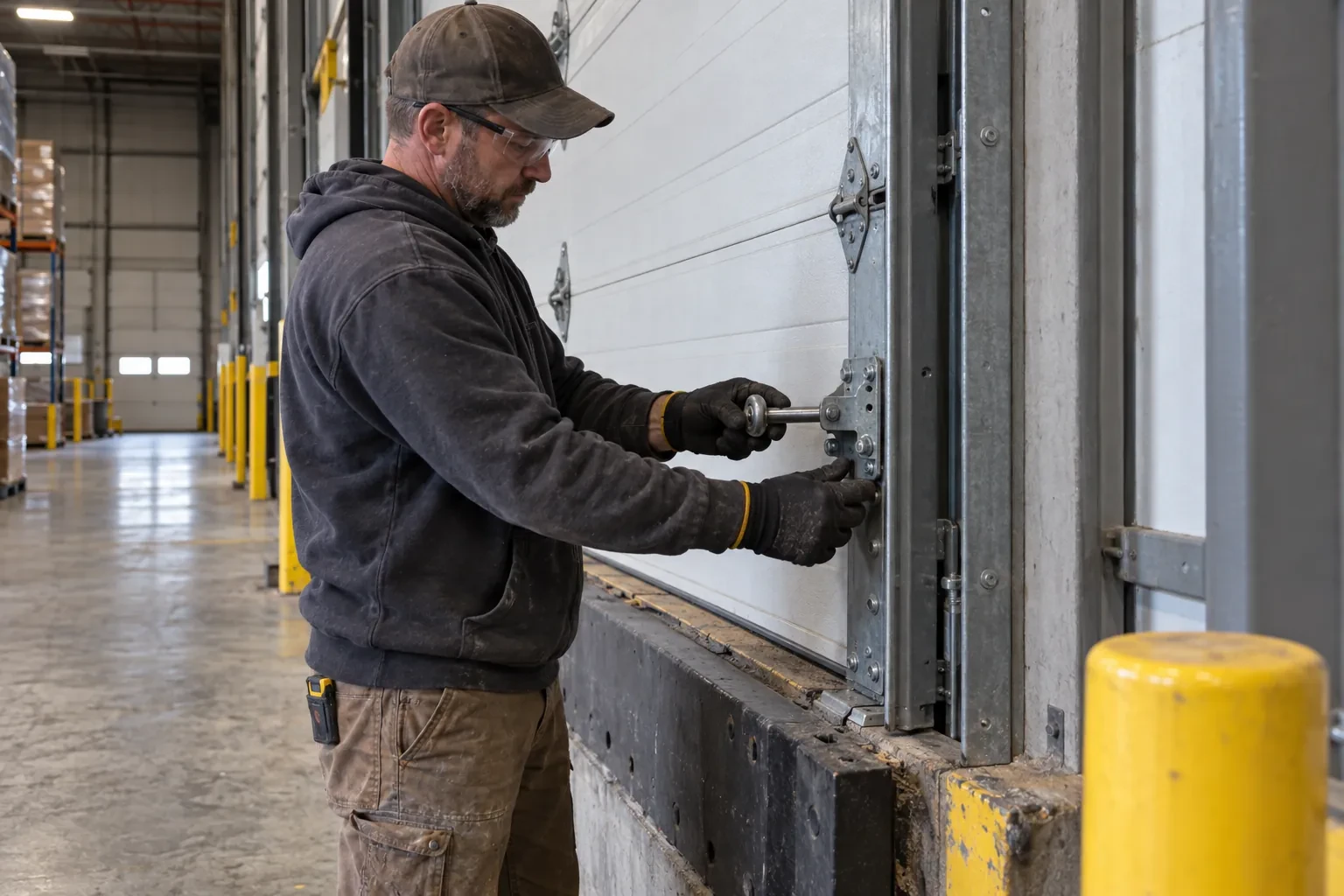
Here is what the day looks like. The technician arrives, watches how the door behaves, then unplugs the old unit and tests the door by hand. Once balance is confirmed, the old head, rail, sensors and control come down and the new rail is assembled on the floor. The header bracket goes into solid framing above the door, the head is hung level from the joists, the door arm and reinforcement are fitted, and the sensors and wall console are wired. Travel, force and safety tests follow, then programming of remotes and keypad. Allow a morning or an afternoon, and a little longer if door work is added.
How your household uses the door
A few questions decide which operator and accessories suit you. How many vehicles need remotes, and do any of them have built-in transmitter buttons? Do children come home to an empty house and need a keypad? Is there a bedroom or home office above or beside the garage, which points toward a belt drive and a DC motor? Do you want to check the door from your phone, or have it close on a timer? Has a power outage ever left you stuck outside? The answers steer the technician toward a chain, belt or wall-mount unit and the right set of controls, so the recommendation fits how you actually live.
Fitting a wall-mount operator instead
When the choice is a wall-mount unit, the operator bolts to the wall beside the torsion spring shaft and turns the shaft directly, so there is no rail, trolley or anything hanging from the ceiling. The door must run on torsion springs with room at the end of the shaft, confirmed before the unit is ordered. A cable tension monitor is fastened to wall framing beside the cable, a few inches from the drum, so the operator stops if a cable goes slack, and an automatic deadbolt is mounted on the track since the door has no rail holding it shut. Photo eyes, console and remotes are set up as with any operator.
Ceiling space and light you did not have before
A wall-mount operator hands the whole ceiling back: no rail, no motor box, just the small unit next to the spring shaft. Racks, a loft or a vehicle lift can go where the old opener hung, and the door itself runs quietly because nothing above it is shaking. Any new operator also brings better light, usually LED lamps that come on when the door moves or when a motion sensor sees you walk in, and switch off on a timer. If you notice remote range shrinking after fitting your own LED bulbs, swap them for the type the operator's maker lists, since some bulbs interfere with the radio signal.