New Doors · Richmond Hill
Commercial Rolling Door Repair in Richmond Hill
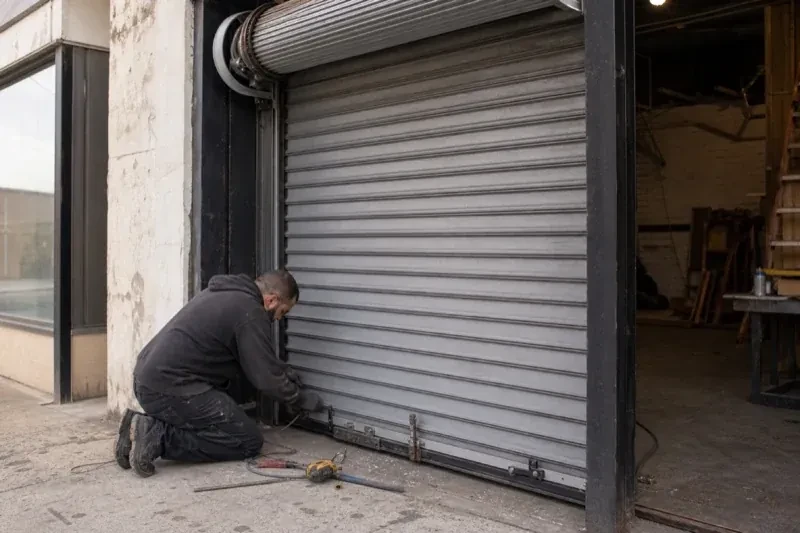
The rolling door starts upward, then one side rises ahead of the other. Its bottom bar sits on an angle, several slats scrape the guide, and the opening is no longer clear enough for normal shipping traffic.
Commercial Rolling Door Repair
In plain words
A rolling door that has become unusually heavy or starts to drift is asking for a counterbalance assessment. The barrel assembly commonly contains springs that offset curtain weight, and those parts hold substantial tension even while the door is stationary. The technician secures the curtain, examines brackets, bearings and drive components, then evaluates balance under controlled conditions. Adjustment uses purpose-made winding tools and the identified door instructions. Once the mechanical setting is correct, manual effort is checked across the full travel and any powered operator is tested without asking it to compensate for a poorly balanced door.
How the visit goesThe wall control asks the door to close, but the operator hums and stops. The curtain remains overhead while the control light and the photoelectric sensors suggest that the powered system needs a connected diagnosis.
Richmond Hill
How the visit goes
Follow the powered control chain
For a motor-operated door, the assessment moves from command to motion in a defined sequence. The control station, key switch or access input is observed; lock and pass-door interlocks are checked where present; then the operator brake, drive, limits and manual hoist or disconnect are reviewed. Photoelectric sensors and sensing edges are identified by function rather than assumed to be interchangeable. Their mounting, wiring condition, alignment and response are checked against the operator information. This approach shows whether a stopping complaint comes from protective logic, a control fault, limit setting or resistance in the door itself.
Renew damaged curtain sections
When damage is confined to serviceable slats or a section of sheet curtain, the affected material is brought to an accessible position and supported. Endlocks, windlocks or fasteners are removed in the sequence suited to that construction, the distorted pieces are separated, and compatible replacements are fitted with the correct orientation and spacing. Adjacent material is checked because impact can stretch joints beyond the obvious dent. The repaired curtain is guided through the opening by hand under control, confirming that the new section flexes into the coil and travels past the guide entrances without catching.
Documentation for a labelled fire door
When the assembly carries a fire-protection label, the customer receives a record that keeps ordinary operation and fire-door responsibilities connected but distinct. It identifies relevant labels, compatible repaired parts, closing-path observations and the inspection or test activity included in the authorised scope. Any release-system, alarm-interface or building-fire-plan item assigned elsewhere is named clearly. The facility can retain this with its fire-safety records and continue the inspection schedule required for closures in fire separations. Guides and the doorway remain free of storage so the door can follow its intended closing path.
Commercial Rolling Door Repair
In the van
- Bottom bar and astragal
- Roller chain and sprockets
- Operator brake and limits
- Sensing edge and controls
- Curtain slats and endlocks
What affects the quote
Same fees day, night or weekend
1Traffic-control requirements
Loading schedules, pedestrian routes, lift-truck lanes and access to both faces determine how the work zone is maintained. Facility support and alternate routing form part of the service plan.
2Extent of curtain damage
One serviceable slat differs from a distorted group that has pulled endlocks sideways or damaged the coil. Material, profile, finish and number of affected curtain pieces guide the scope.
3Powered operator repairs
Brake, motor, reduction, sprocket, roller chain, limits and internal controls are assessed separately. The operator's identity and compatibility with the balanced door guide part selection.
Commercial Rolling Door Repair: questions
What does it mean when the door feels unusually heavy?
A marked increase in manual effort often calls for a counterbalance and mechanical-path assessment. Spring setting, barrel bearings, guide friction, curtain damage and drive parts can all contribute. Because the counterbalance contains substantial stored energy, the curtain is secured and the assembly is adjusted with the identified procedure and proper winding tools.
What can facility staff check between service visits?
Staff can observe bottom-bar level, new dents or rub marks, guide debris, loose visible fasteners, torn seals, sensor cleanliness, unusual sounds and changes in operating effort. They can keep the sill and doorway clear and record impacts. Spring tension, bracket release and internal repairs remain controlled technician tasks because those areas involve curtain weight and stored energy.
What happens to a powered door during a power interruption?
Commercial operators commonly include a manual hoist, hand chain or disconnect arrangement, but the sequence varies by system. Staff are shown the intended changeover and normal manual effort after repair. The door must still move freely and remain balanced; the emergency method is an operating feature, not a substitute for correcting a binding curtain or worn component.
Installation & Upgrades
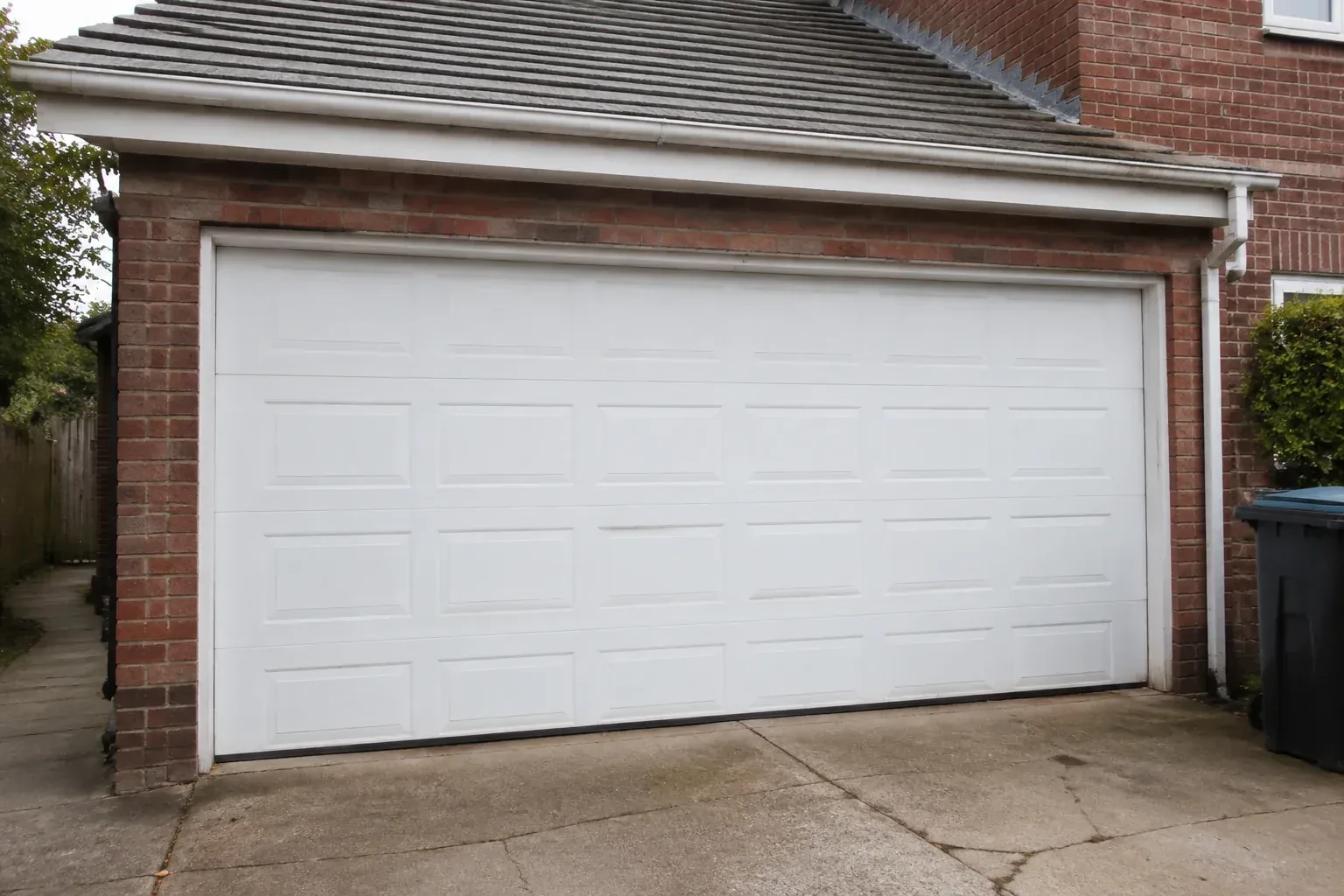
- Insulated Steel Garage Door InstallationDaylight appears beside the closed door and powdery snow collects just inside after windy weather.
- Wind-Rated Garage Door ReplacementYour renovation drawings call for a garage door with a stated design pressure, yet the existing…
- Carriage-House Garage Door InstallationYou appreciate the grain and depth of traditional wood doors, though regular refinishing is not…
Commercial Rolling Door Repair near you
Repairs, hardware, openers and new doors: those are the four kinds of garage door work we do in Richmond Hill. Most visits are repairs and tune-ups, springs and cables are the most common replacements, opener and remote problems come next, and new doors are planned with more time and care.